The Pulse
The Pulse: What Actually Moved
Lugia gave the week its loudest breakout. The cards underneath it told a more mixed story: Pokémon leaned softer, One Piece stayed active without moving cleanly one way, and Yu-Gi-Oh looked stronger by count than by magnitude.
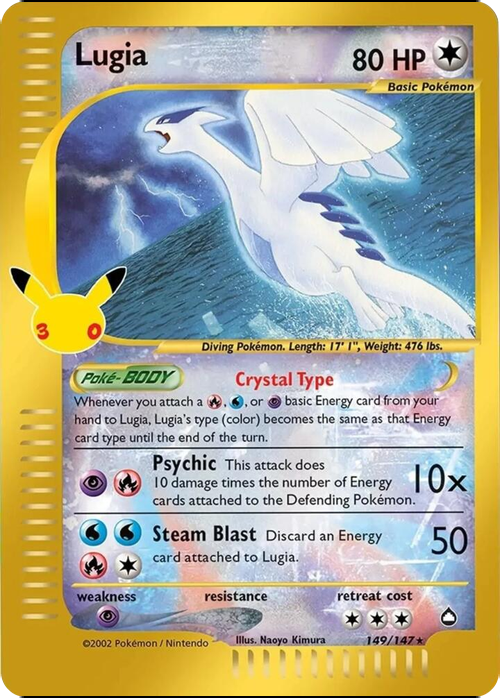
Pokémon
Lugia
ME: 30th Celebration Classic Collection · $242.73 → $368.70 · about +52%
Explore the Lugia collector guide →
A single card can make an entire week look hotter than it really was.
Lugia jumped almost 52 percent between TrendApe's September 14 and September 21 readings. It was a real, dramatic move — and also a useful reminder to keep looking after the headline card.
The rest of the week was less tidy. Pokémon had far more tracked fallers than risers. One Piece stayed active but split. Yu-Gi-Oh had more risers than fallers even though the typical move barely changed. And several individual cards told cleaner stories than the category totals around them.
Sometimes that is enough for a Pulse: not one grand market verdict, but a few cards that made the week worth looking at twice.
Lugia Made the Week Look Loud
Lugia gave the week its obvious headline.
The exact ME: 30th Celebration Classic Collection printing moved from $242.73 to $368.70 in the frozen September 14 to September 21 comparison — a gain of just under 52 percent.
That is the kind of change that jumps off a chart and into a collector's attention immediately.
But it was not representative of the broader Pokémon board. Of 199 paired Pokémon cards in the tracked sample, 132 fell, 55 rose, and 12 were unchanged.
Even that needs context: 74 of those 132 declines were smaller than 5 percent, and the median move was about −1.8 percent.
So this was not a “Pokémon crash” story.
It was a week where one very visible winner sat on top of a much softer breadth read.
One Piece Was Active Without Moving as One

One Piece told a different story.
The board itself was nearly split: 94 tracked prices rose, 85 fell, and 20 were unchanged.
The retained endpoint transaction total also increased from 15,504 to 16,810, making One Piece the exception among the five tracked samples on that particular activity measure.
But the median price move was still 0 percent.
The more interesting separation appeared in the larger moves: 62 cards rose by at least 5 percent while 33 fell by at least 5 percent.
Nami's Alternate Art is a useful reminder that this still wasn't one-direction action. Its longer frozen path moved from roughly $149 in March to $94 in September, while the latest weekly move was much smaller — about $97 to $94.
One Piece was moving. It just was not moving as one clean market.
Yu-Gi-Oh Looked Better by Count Than by Magnitude
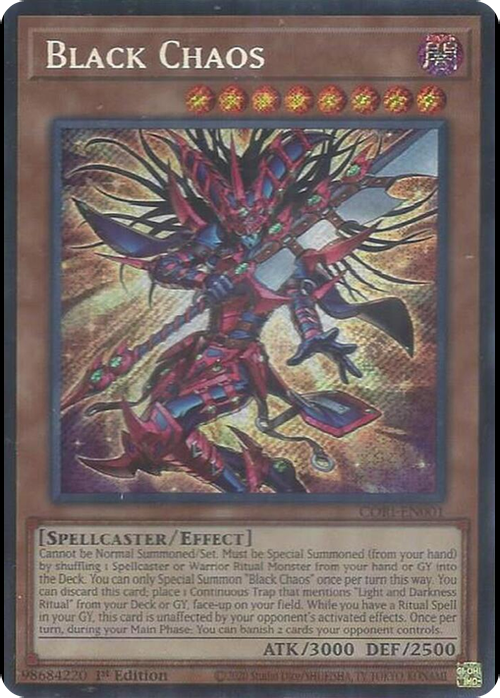
Yu-Gi-Oh was the only one of the five samples with a strict majority of tracked prices rising: 102 up, 85 down, and 13 unchanged.
That sounds stronger than the median move did.
The middle of the sample changed by only about +0.1 percent.
Black Chaos makes the week more tangible than the aggregate count alone. Its frozen path ran roughly $73 to $69 and then back to $74 — movement, but not a runaway breakout.
The retained endpoint activity measure was also lower at the later reading.
That does not make the rising-card count wrong. It just shows why “more cards rose” and “the category rallied” are not the same statement.
Mox Amber’s Decline Was a Story Too
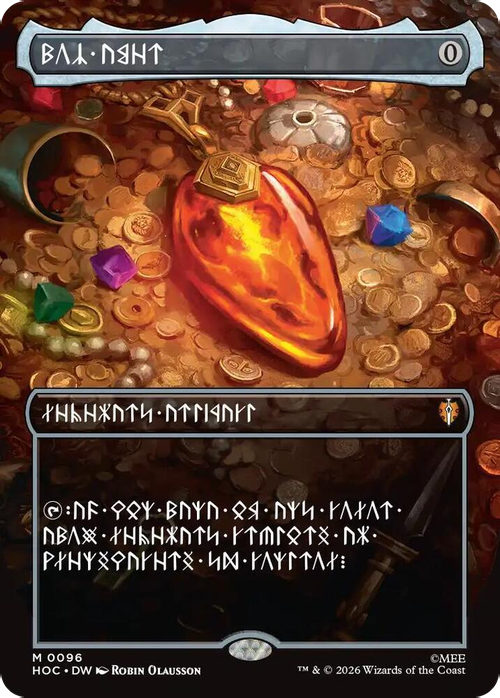
Mox Amber supplied another clean card story.
The Borderless Dwarvish printing was near $232 at the latest frozen point after a roughly $31 latest-week decline. Its first retained late-July point was around $300.
Put beside Lugia, the contrast is more useful than forcing both cards into one market thesis.
One was a dramatic recent winner.
The other had been working lower across the retained period.
Both were worth seeing.
That is part of the reason a weekly Pulse works better when real cards stay in the frame. Broad metrics can tell us where a board leaned. The cards tell us what that week actually looked like.
Explore the collector guides
Sources & Data
- Evidence & Method
- Frozen TrendApe market evidence. Comparison: September 14 → September 21, 2026; no later market movement is incorporated.
- Sample
- First 200 revenue-ranked Cards discovery products per tracked game, with one selected English Near Mint canonical variant per product. 1,000 discovered; 998 enriched; 996 usable paired observations. Missing comparison rows were excluded, not counted unchanged.
- Limits
- Transaction figures are retained sample/bucket evidence, not certified complete calendar-week sales. This bounded sample is not total-market truth. No causality, demand, scarcity, investment merit or future direction is claimed.